Bridging Theory and Simulation: Parametric Identification and Validation for a Multirotor UAV in PX4-Gazebo
Erick Loyaga, Estefano Quinatoa, Edgar Haro, Esteban Valencia, et al.
November 2025 · Engineering Proceedings2025
Multirotor UAVSITL SimulationDigital Twin
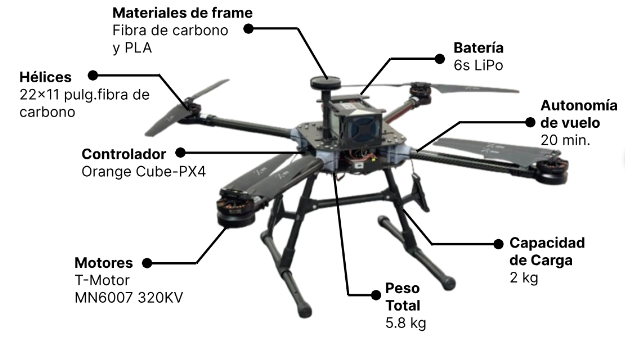
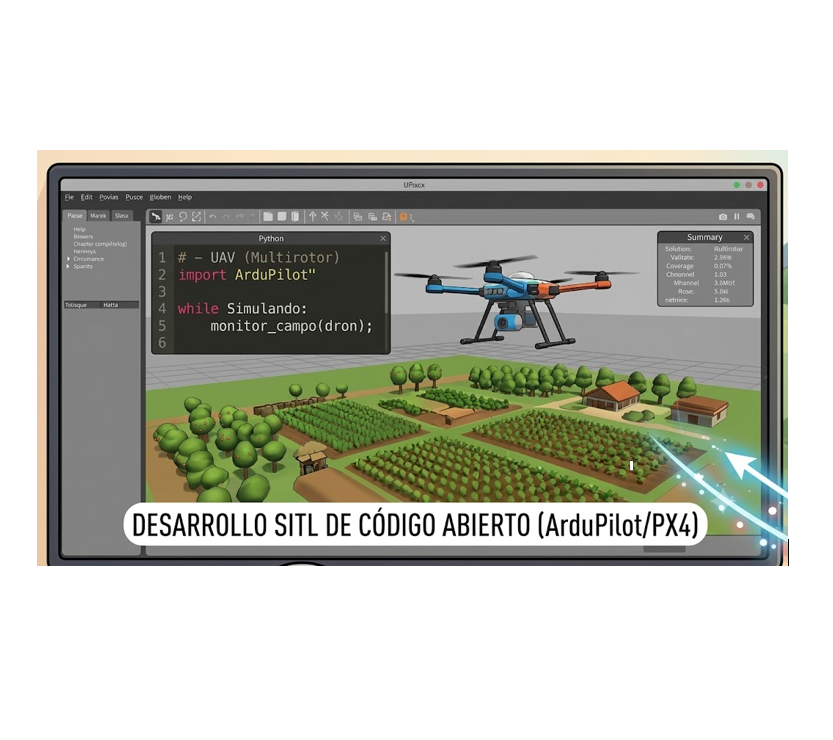
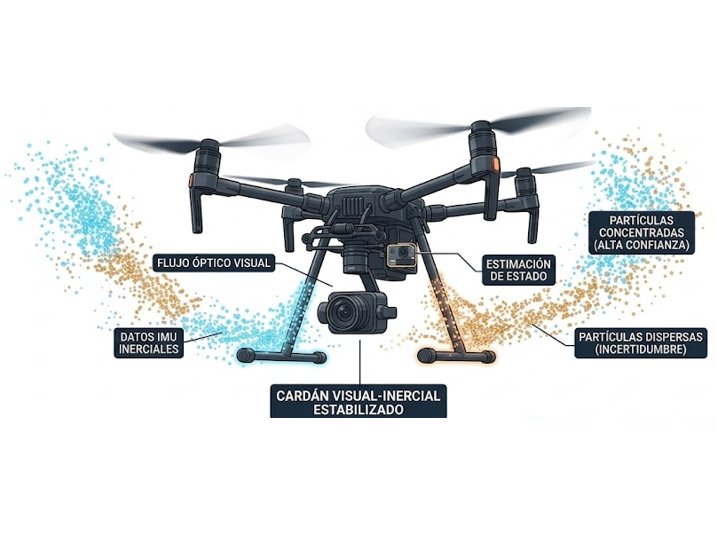
This article presents a structured methodology to bridge the gap between theoretical modeling and high-fidelity simulation of multirotor unmanned aerial systems (UAS) using software-in-the-loop (SITL) digital twins in PX4 v1.12. A key challenge addressed is the absence of standardized procedures for translating UAV physical characteristics into simulation-ready parameters. To overcome this, we propose a hybrid parametric identification process combining analytical modeling with experimental characterization. Critical parameters are obtained through a combination of physical measurements and theoretical derivation.
Design Optimization of a Pseudo-Rigid-Compliant Mechanism for Large Continuous and Smooth Morphing of Airfoil Camber
Víctor Alulema, Víctor Hidalgo, Edgar Cando, Esteban Valencia.
September 2025 · Aerospace2025
AirfoilFixed-Wing UAVCompliant Mechanism
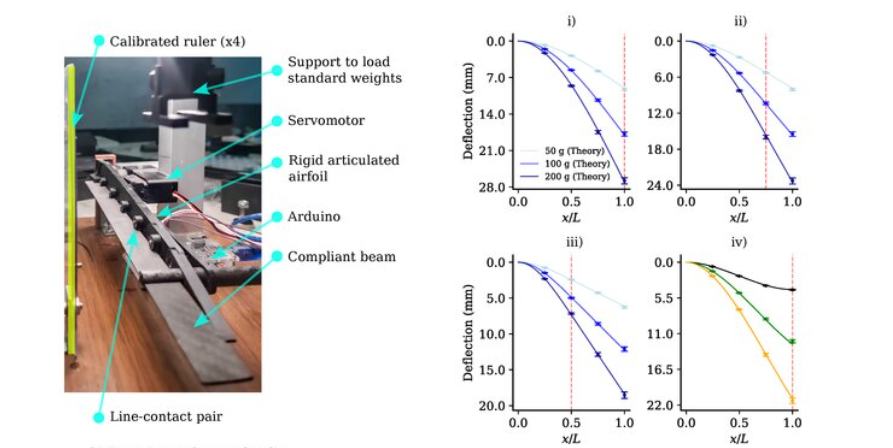
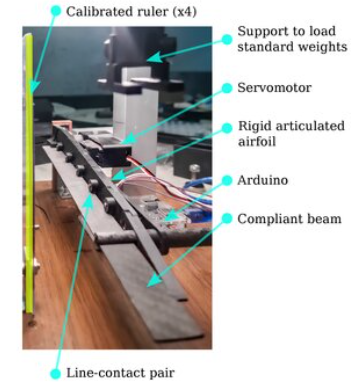
This work presents a novel variable-camber mechanism that combines the high load capacity, structural stability, and mechanical efficiency of rigid-body mechanisms with the adaptability, lightweight design, and continuous smooth motion of compliant mechanisms. Through multidisciplinary optimization, this study determined the optimal mechanism configuration and airfoil shapes for a small fixed-wing UAV, showing potential drag reduction of up to 13% under various cruise conditions.
An Open-source UAV Digital Twin Framework: A Case Study on Remote Sensing in the Andean Mountains
Esteban Valencia, Francisco Toapanta, Gabriel Oña, Patrick Vandewalle, et al.
June 2025 · Journal of Intelligent & Robotic Systems2025
Digital TwinUAVRemote Sensing
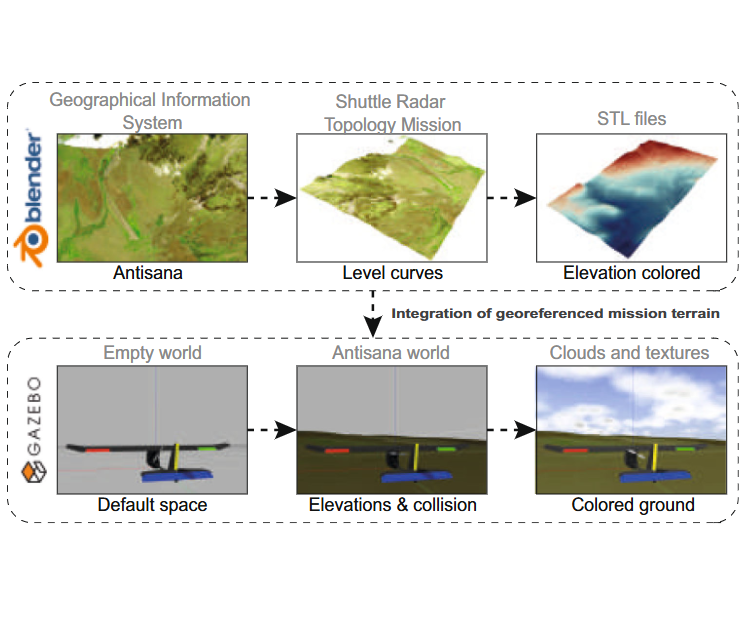
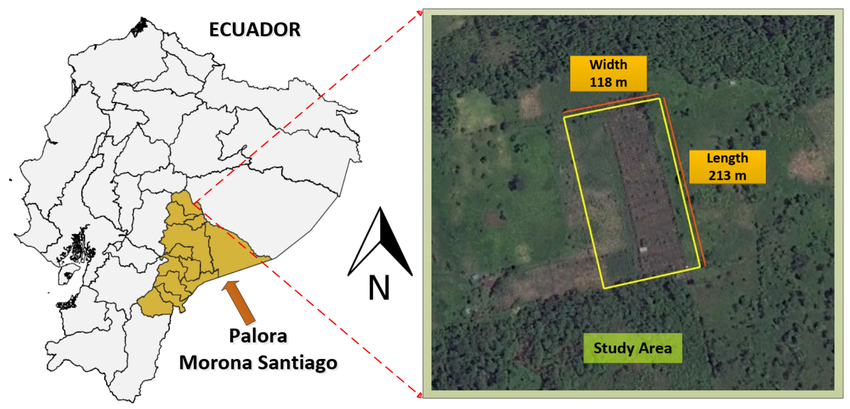
The growing demand for UAVs in the aerospace industry underscores the need for accurate simulation environments, especially in remote regions. This study develops an open-source framework for a customized UAV simulation environment using ROS-Gazebo and Ardupilot. To evaluate UAV positioning accuracy in real-mission simulation, experimental digital twin validation was performed. These tests revealed maximum errors of 9% in the Z-axis trajectory (altitude), demonstrating the suitability of the method for emulating complex missions using digital twin models.
Optimization of Flight Planning for Orthomosaic Generation Using Digital Twins and SITL Simulation
Alex Oña, Luis Ortega, Andrey Carrillo, Esteban Valencia.
May 2025 · Drones2025
UAVOrthomosaicSITL
Precision agriculture (PA) introduces techniques to optimize agricultural management, requiring higher-resolution imagery. To address the challenges and risks of operating UAVs, software-in-the-loop (SITL) simulation, combined with digital twins (DT), enables studying UAV behavior and anticipating risks. This paper presents a novel methodology integrating the SITL framework with the Gazebo simulator. The results demonstrate that the proposed parameters optimize mission planning in terms of efficiency and quality.
Aero-structural Evaluation of Kraft Paper-Reinforced Composites for the Manufacturing of UAV Fuselages and Wings Using a Numerical Approach
Cristian Cruzatty, Mateo Narváez, Edwin Amaguaña, Esteban Valencia, et al.
April 2025 · International Journal of Mechanics and Materials in Design2025
UAVComposite MaterialsKraft Paper
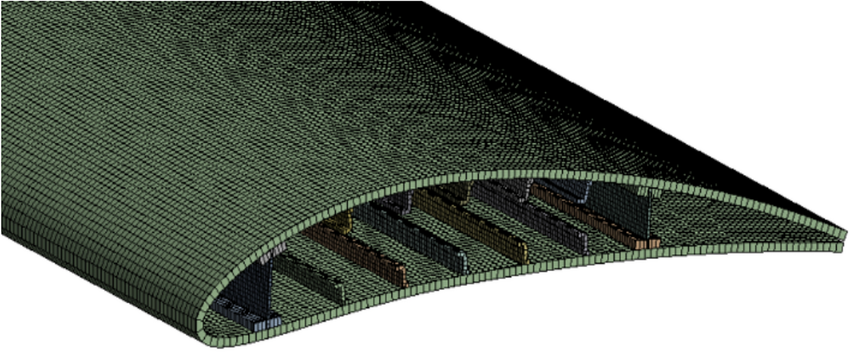
Contemporary UAV manufacturing methods rely on composite materials such as carbon fiber. However, their high cost and limited availability hinder progress in certain regions. This work evaluates a low-cost, eco-friendly material: Kraft paper laminates embedded in an epoxy resin matrix. Using numerical simulation, the material was tested in different structural systems. The results show that Kraft paper-reinforced composites offer good performance in applications with moderate structural demands.
Experimental Validation of the Remote Sensing Method for River Velocity Measurement Using an Open-Source PIV Scheme: Case Study: Antisana River in the Ecuadorian Andes
Wendy Torres, Alejandra Torres, Esteban Valencia, Edgar Cando, et al.
November 2024 · Water2024
PIVVelocimetryUAV
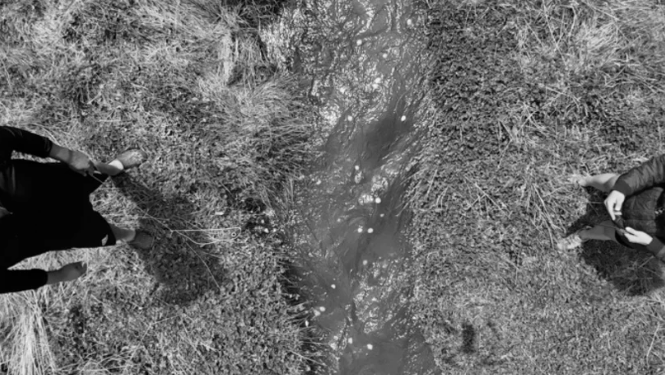
This study presents the experimental validation of a remote sensing method for measuring river flow velocity using particle image velocimetry (PIV) combined with unmanned aerial vehicles (UAV). The case study focuses on the Antisana River in the Ecuadorian Andes. The results demonstrate that velocity measurements obtained via PIV closely match those from standardized traditional methods, which would significantly improve hydrological studies in remote regions.
Paving the Way for Sustainable UAVs Using Distributed Propulsion and Solar-Powered Systems
Esteban Valencia, Cristian Cruzatty, Edwin Amaguaña, Edgar Cando.
October 2024 · Drones2024
Solar UAVDistributed PropulsionSustainability
Photovoltaic solar technology can provide an interesting improvement to the autonomy of hybrid systems for unmanned aerial platforms. This work presents a methodology for evaluating hybrid solar-powered UAVs in distributed propulsion configurations through a two-level modeling scheme. The results indicate that hybrid solar configurations can theoretically achieve fuel savings of up to 80% compared to conventional configurations.
Modeling of Solid Particle Erosion for a Water-Sand Impingement System Using OpenFOAM
Mateo Narváez, Cristian Cruzatty, Esteban Valencia, Edgar Cando, et al.
December 2023 · Coatings2023
ErosionCFDOpenFOAM
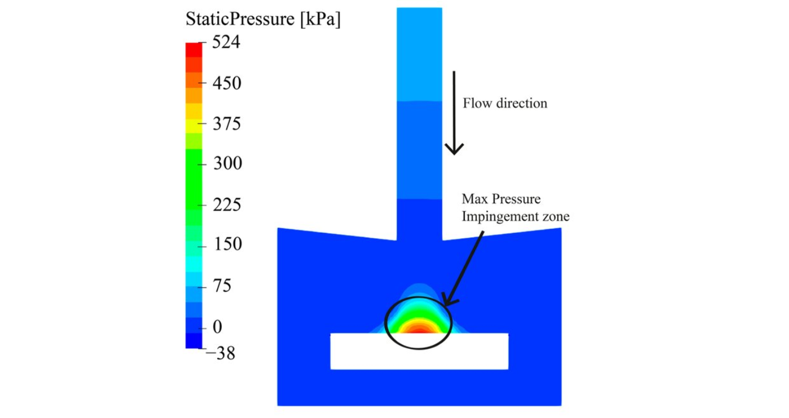
The development of precise methodologies for a comprehensive understanding of the erosion phenomenon is a complex and necessary task. This study involved a comprehensive analysis incorporating empirical data from a sand-water jet on a submerged plate, and numerical simulations employing the Oka erosion model compiled in OpenFOAM. The results revealed agreement between experimental and simulated erosion contours, confirming the model's ability to represent erosion phenomena.
Towards More Efficient Electric Propulsion UAV Systems Using Boundary Layer Ingestion
Jonathan Arias, Francisco Martinez, Edgar Cando, Esteban Valencia.
November 2023 · Drones2023
BLIElectric PropulsionUAV
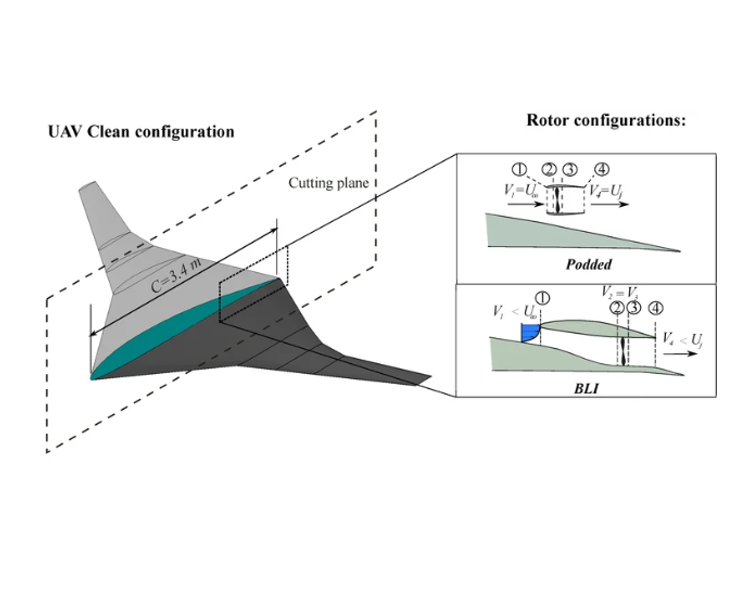
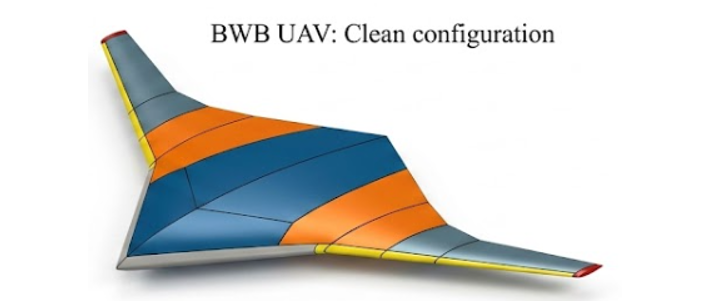
The implementation of distributed propulsion and boundary layer ingestion for unmanned aerial vehicles represents various challenges for the design of embedded ducts in blended wing body configurations. This work explores the conceptual design and evaluation of DP configurations with BLI. The results show the optimal propulsion configuration for the BWB UAV obtaining 3.95 % of power benefit and propulsive efficiency (np > 80 %).
Low-Cost Computer-Vision-Based Embedded Systems for UAVs
Luis Ortega, Erick Loyaga, Patricio Cruz, Esteban Valencia, et al.
October 2023 · Robotics2023
UAVComputer VisionEmbedded Systems
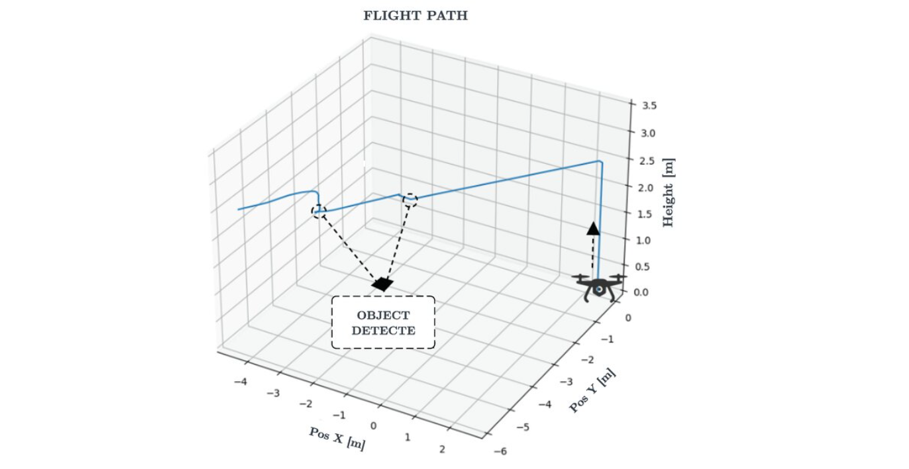
Unmanned aerial vehicles (UAV) are vital for remote monitoring in difficult environments such as volcano observation. Low-cost computer vision systems offer a solution by processing data and increasing autonomy. This paper presents an economical prototype that aids navigation, minimizing effects on autonomy and prioritizing better maneuverability through the integrated landing and obstacle avoidance system (LOAS). Using open-source software and MAVLink communication, they were tested on a quadcopter equipped with Pixhawk. Programmed on a Raspberry Pi, it includes a distance sensor and basic camera. Tests in controlled environments showed good performance in 90% of cases. The integration of this energy-efficient model promises cost reduction and greater surveillance capability.
Numerical Analysis of the Operation of a Wave Energy Converter (WEC) Using CFD
Cristian Andrade, Esteban Valencia, Edgar Cando.
January 2023 · Enfoque UTE2023
CFDWave EnergyWEC
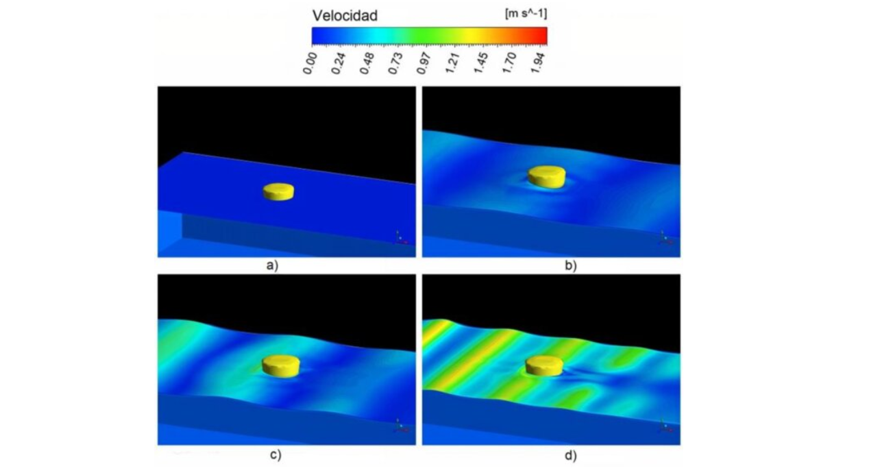
This study numerically analyzes, through CFD, the operation of a wave energy converter (WEC) with local sea conditions. The device dynamics were characterized by applying domain reduction criteria, structured cells, and dynamic mesh with 6DOF. ANSYS Fluent software was used for 1:5 scale simulations. Fluid dynamics prediction was achieved with an error between 3.6% and 4.7% comparing surface elevation and between 5% and 6% for angular displacement. Data was extracted from the INOCAR-SWAN model at points near Esmeraldas and the Gulf of Guayaquil. Better results were obtained in sea states with greater depth, presenting average mechanical power between 0.165 kW and 0.22 kW.
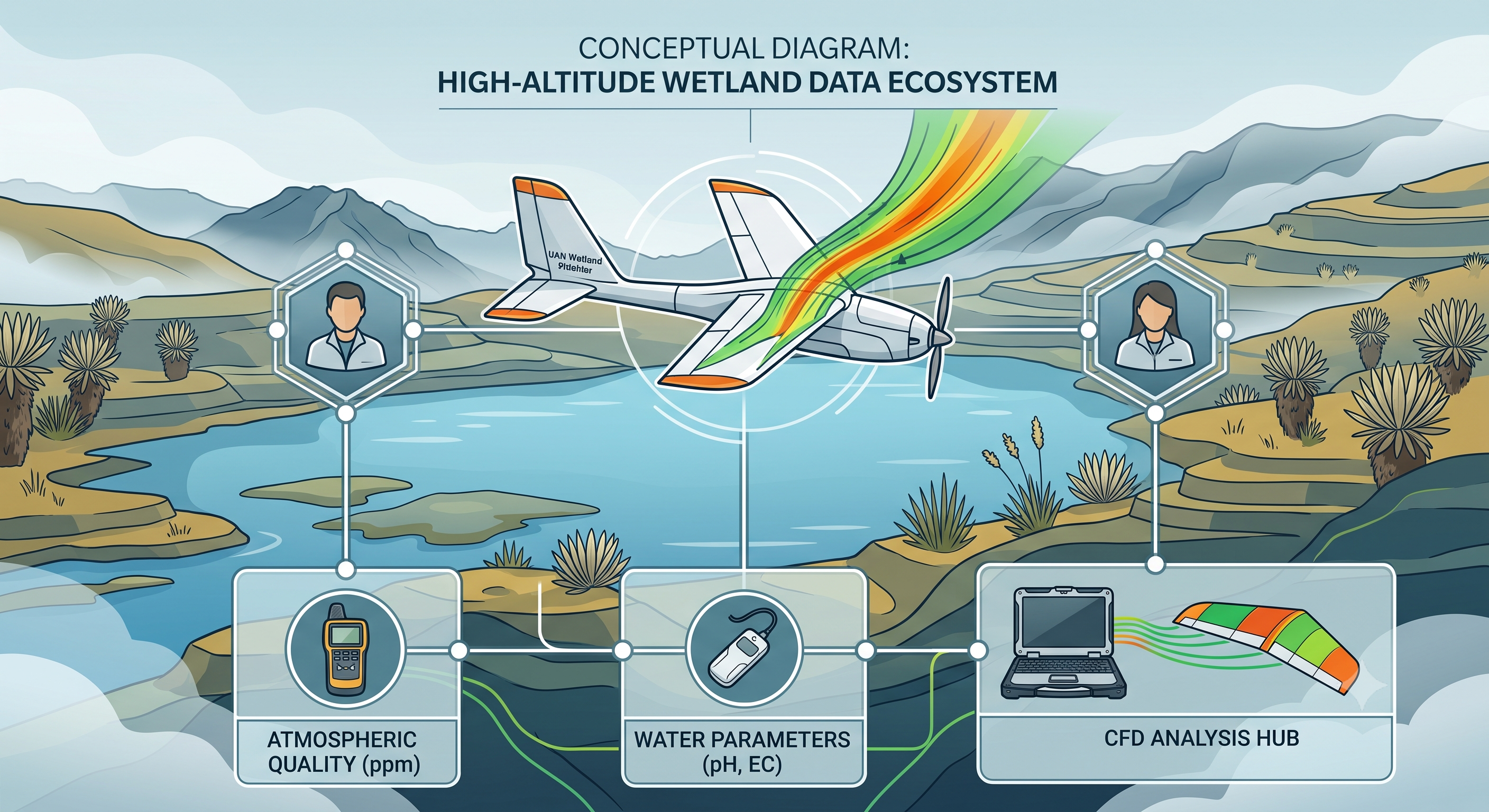
Wetland Monitoring Technification for the Ecuadorian Andean Region Based on a Multi-Agent Framework
Esteban Valencia, David Changoluisa, Kevin Palma, Gabriela Espinel, et al.
March 2022 · Heliyon2022
WetlandsRemote SensingUAV
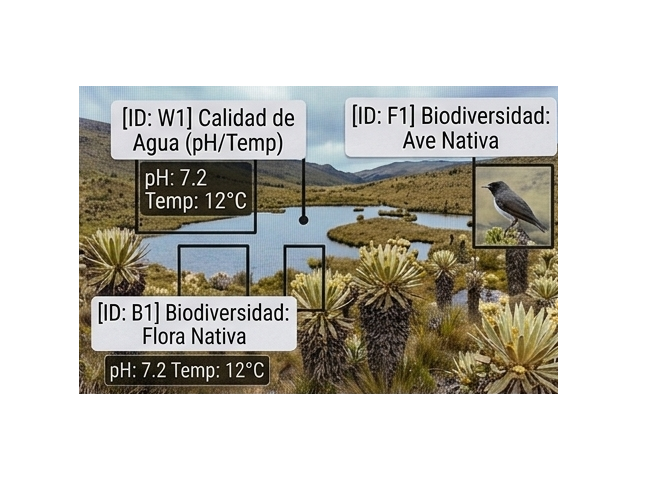
Remote sensing using satellites and unmanned aerial vehicles (UAV) has become an important tool for wetland delineation and saturation assessment. However, deployment and operational costs limit its implementation in hostile high-Andean environments. This work presents a framework to cost-effectively monitor wetlands through a multi-agent approach based on: field tests, UAV orthomosaics, and satellite imagery. The method comprises two stages: i) monitoring agent definition and ii) image processing. Semi-empirical and statistical models are incorporated in an open-source framework. The method's application highlights the suitability of the low-cost remote sensing approach in the visual spectrum. The main contribution lies in establishing a technified monitoring framework for Ecuadorian high-Andean wetlands, extrapolable to other extreme conditions.
Evaluation of Series and Parallel Hybrid Propulsion Systems for UAVs Implementing Distributed Propulsion Architectures
Darwin Jiménez, Esteban Valencia, Ariel Herrera, Marcelo Pozo, et al.
January 2022 · Aerospace2022
UAVHybrid PropulsionDistributed Propulsion
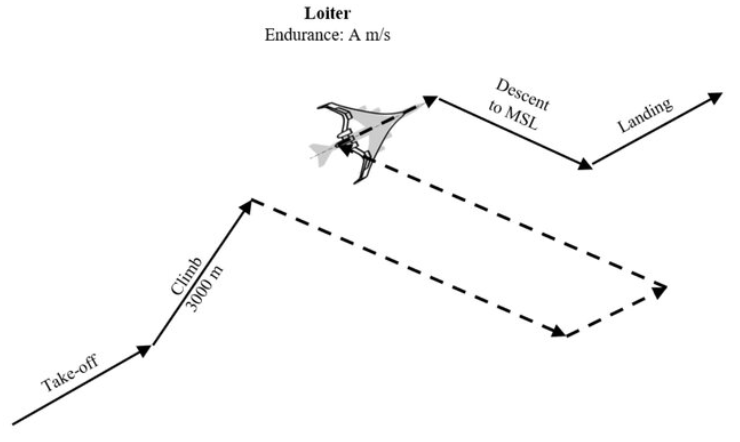
Current environmental policies for the aviation sector drive the use of cleaner propulsion alternatives to reduce carbon footprints and acoustic pollution in the coming years. In this context, hybrid propulsion systems have emerged as a potential solution, having demonstrated a good balance between performance and low pollutant emissions. This work compares parallel and series hybrid propulsion systems using heterogeneous and homogeneous distributed propulsion architectures. To highlight the advantages of distributed propulsion systems and validate the developed methodology, a single hybrid propulsion configuration is used as a reference case. For propulsion system sizing, a parametric modeling tool is used that includes a constraints analysis along with a weight estimation module. Results show that for the representative Galapagos Islands monitoring case (7-hour endurance), the parallel hybrid system presents the best characteristics with a 34% reduction in fuel savings.
Object Detection and Tracking Based on Artificial Vision for a Single Board Computer (SBC)
Bryan Mosquera, Bryan Castello, Enrique Lema, Esteban Valencia, et al.
January 2022 · Lecture Notes in Electrical Engineering2022
Computer VisionObject DetectionRaspberry Pi
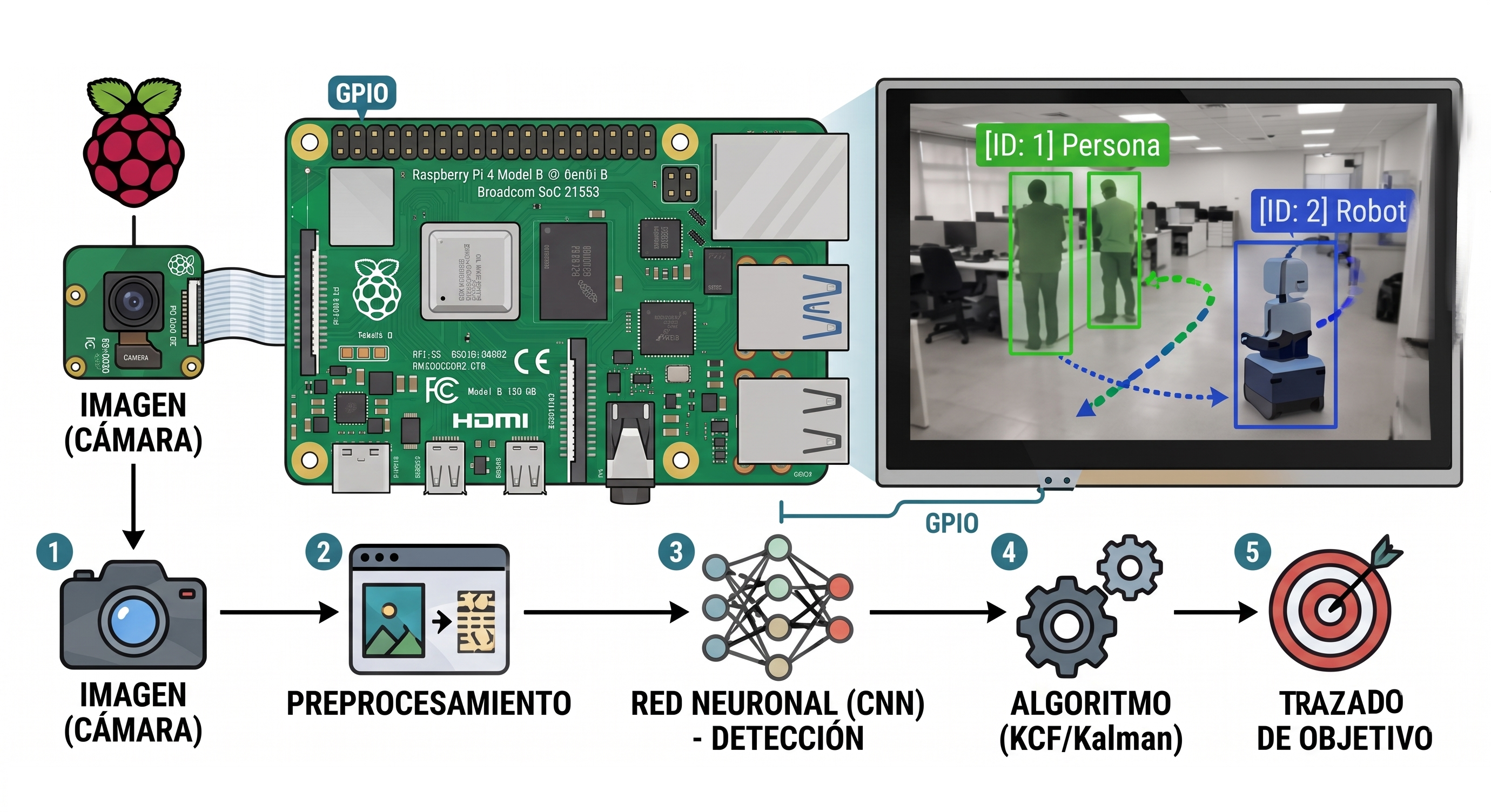
In the field of computer vision, object detection and tracking is an area of high demand. Specialized algorithms have been developed to track any object. However, these algorithms cannot initiate the detection process automatically, as users must manually draw a bounding box. A possible solution is to combine an object detection neural network with a vision-based tracking algorithm. This research proposes an algorithm to enhance the capabilities of KCF, an object-tracking algorithm, by combining it with SSD MobileNet V2, a neural network for object identification. The proposed algorithm is designed to run on a single-board computer (SBC). This makes it possible to run and process real-time video on a Raspberry Pi 4.